Today marks a massive shift in agentic autonomy and inference speed. OpenAI is pushing the boundaries of latency with "Ultrafast" mode, while Anthropic is making autonomous coding the standard for power users. Meanwhile, Google DeepMind undergoes a leadership pivot to reclaim its frontier lead.
Major Updates
GPT-5.6 Sol Hits 14X Speed
OpenAI has previewed an "Ultrafast" mode for the GPT-5.6 Sol model. This update delivers inference speeds up to 14 times faster than previous iterations. This drastically reduces latency for real-time agentic workflows. Source: OpenAI News
Claude Code Auto-Mode Defaults
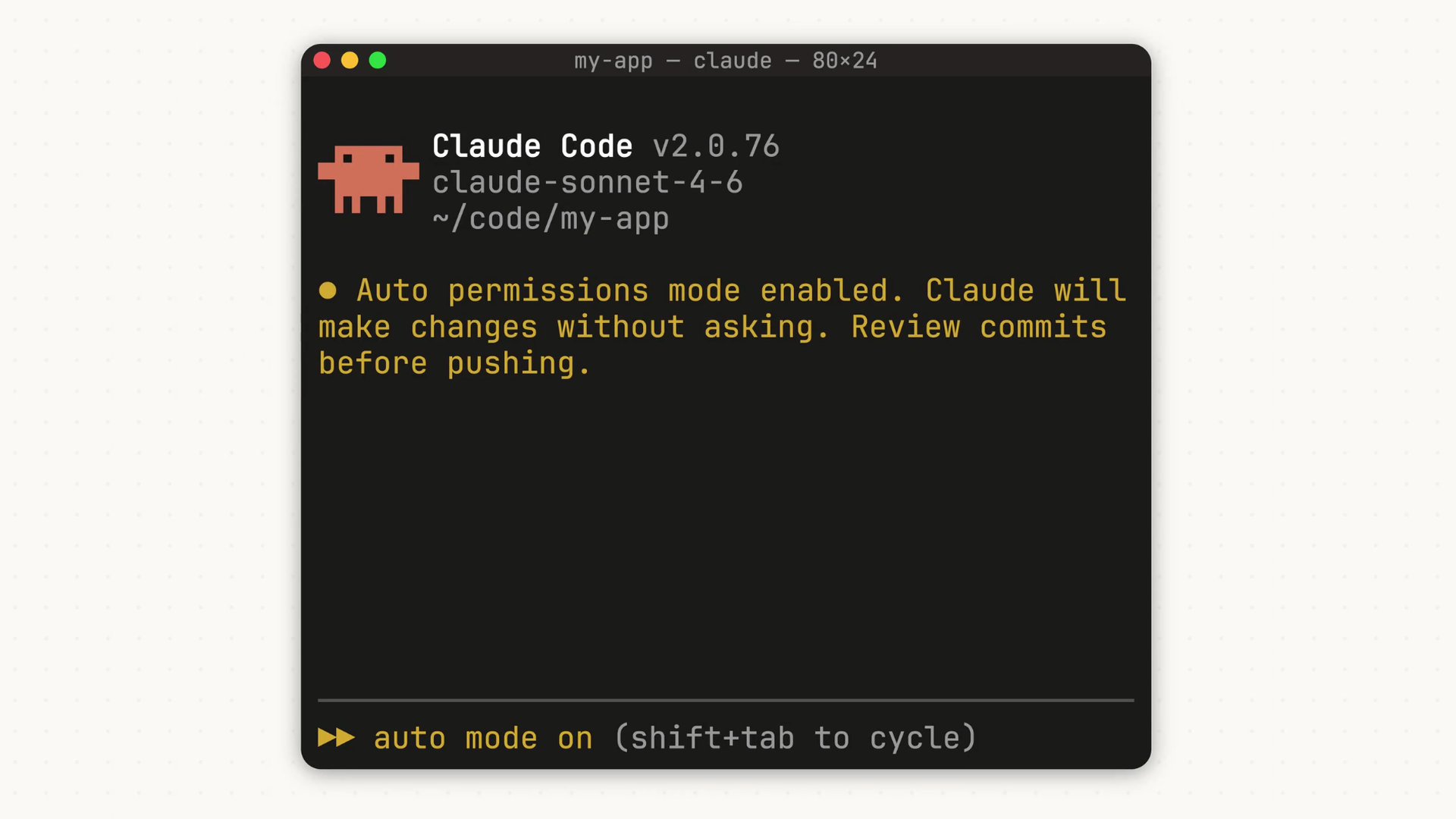
Starting August 14, Claude Code's "auto mode" becomes the default for Pro, Max, and Team users. This allows the AI to execute terminal commands and edit files autonomously without constant user approval. It signals Anthropic's aggressive move toward full-stack AI engineering. Source: Best-AI.org
Leadership Pivot at Google DeepMind
Koray Kavukcuoglu is taking charge of Google DeepMind as the organization reshuffles. This move comes as Google strives to keep Gemini competitive against the rapid release cycles of OpenAI and Anthropic. The pivot emphasizes a more aggressive approach to frontier model deployment. Source: CNBC
Claude Introduces Invisible Watermarking
Anthropic has deployed invisible watermarks into Claude's editorial text. This "steganographic" approach allows detectors to identify AI-generated content without altering the text's appearance. It is primarily a move to curb academic cheating and maintain editorial integrity. Source: TechCrunch
Global Chip War: $10B Investment
Semiconductor competition is escalating with massive government injections. South Korea is launching a $3.52 billion fund to bolster its domestic chip industry. Simultaneously, Sony and TSMC are pooling $6.32 billion to build a next-gen factory in Japan. Source: Foreign Affairs Forum
Gemini 3.7 Flash Release
Google released Gemini 3.7 Flash on August 13. The model optimizes for high-throughput tasks and improved context window efficiency. It targets developers who need low-cost, high-speed reasoning for large-scale data processing. Source: AI Release Tracker
Frequently Asked Questions
What is GPT-5.6 Sol's Ultrafast mode?
It is a high-speed inference setting that increases output tokens per second by up to 14X compared to standard modes.
How does Claude Code's auto mode work?
Auto mode permits the agent to perform a sequence of coding tasks—like running tests and fixing bugs—without requesting permission for every individual command.
Why is Anthropic watermarking its text?
To provide a reliable way for educators and employers to distinguish between human-written and AI-generated text using invisible digital markers.
Who is Koray Kavukcuoglu?
A senior leader now taking a primary charge at Google DeepMind to steer the development and competitiveness of the Gemini model family.
Why are Sony and TSMC building a factory in Japan?
To secure the supply chain for advanced semiconductors and reduce reliance on a single geographic region for high-end chip fabrication.