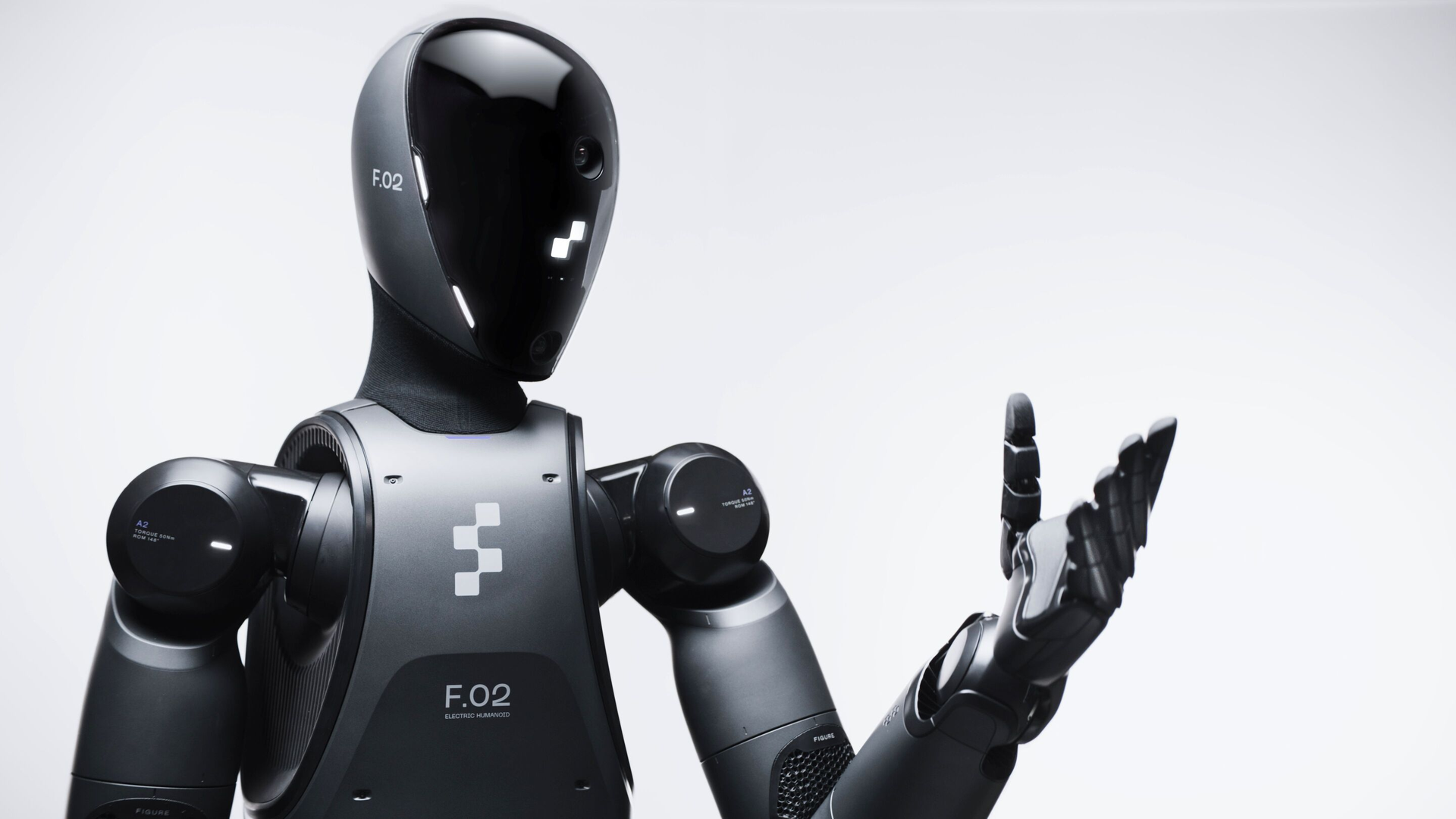
Today's AI landscape is defined by the move from digital chat to physical labor and massive infrastructure strain. From humanoid robots cleaning San Francisco homes to a looming water crisis for data centers, the physical footprint of AI is becoming impossible to ignore.
Major Updates
Tau Robotics Launches $30/hr Humanoid Cleaning Pilot
Tau Robotics has officially entered the home services market with a pilot program in San Francisco. Residents can now hire $50,000 humanoid robots for $30 per hour to perform tasks like vacuuming, wiping counters, and taking out trash. The pilot targets 1,000 households to test urban deployment.
Humanoid Labor Still Requires Human Supervision
Despite the "autonomous" branding, these robots are not yet independent. CEO Alexander Koch admitted the bots cannot climb stairs and rely on remote technicians wearing VR goggles to supervise and intervene. Roboticist Ken Goldberg warned that the heavy units could still strike people, estimating a decade before true autonomy in home cleaning. Source: Engadget
UK Courts Ban Meta Smart Glasses Over Privacy
The UK's His Majesty's Courts & Tribunals Service has banned Meta smart glasses from all criminal, civil, and family courts in England and Wales. The ruling mandates confiscation at entry because the wearables' cameras can record undetected. This follows a London High Court incident where a claimant was suspected of receiving live witness coaching. Source: CBS News
AI Data Centers Face 1 Trillion Liter Water Crisis
A new statistics roundup projects that AI data centers will consume over 1 trillion liters of water annually by 2028. This represents an 11x increase over 2024 levels. Alarmingly, 92% of this footprint is indirect, stemming from the electricity generation required to power the chips rather than direct cooling. Source: Exploding Topics
Suno AI Scales to 100 Million Users
AI music startup Suno has crossed the 100 million user milestone since its 2023 launch. The platform now boasts over 2 million paying subscribers. This growth comes despite intense legal battles with Universal Music Group and Sony Music over the use of catalog recordings for training data. Source: Bloomberg
OpenWALDO Introduces AI Data Provenance
Rocky Linux founder Gregory Kurtzer has launched OpenWALDO (Open Weights, Artifacts, Licenses, Data and Origins). This community-governed initiative aims to make AI training data auditable. It introduces the "AI Bill of Materials" (ABOM) to track data provenance and model lineage, indexing 124 billion tokens across 75 million documents. Source: The New Stack
Accel Raises $3.5 Billion for AI Startups
Venture capital firm Accel has closed a $3.5 billion global fundraise across four dedicated vehicles. The raise includes specialized funds for the US, Europe, and India, plus a $1.35 billion growth vehicle. The India fund was notably oversubscribed, signaling massive appetite for early-stage AI investments in Asia. Source: TechCrunch
AI-Driven Cheating Sparks Faculty Exodus
A wave of US professors is accelerating their retirement plans, citing AI-driven cheating as the primary cause. The Chronicle of Higher Education reports that the collapse of the traditional essay as a valid assessment tool has created unsustainable pedagogy strain, leading many educators to leave the profession early. Source: Chronicle of Higher Education
Kevin Weil Launches AI-for-Science Startup
Former OpenAI CPO Kevin Weil is raising $150 million for a new venture focused on AI-driven scientific discovery. The startup is seeking a valuation of at least $750 million. This move follows a broader trend of frontier lab executives leaving to build specialized "Vertical AI" companies. Source: Business Insider
Google Advocates for Go in AI-Assisted Coding
Google engineers argue that the Go language is uniquely suited for the era of AI-generated code. They claim the bottleneck has shifted from writing to reviewing code. Go's readability-first design and static type system make it easier for human developers to verify and maintain massive volumes of agent-generated output. Source: Google Developers Blog
Frequently Asked Questions
What is the cost of hiring a Tau Robotics humanoid?
The current pilot program in San Francisco offers humanoid cleaning services at a rate of $30 per hour.
Why are Meta smart glasses banned in UK courts?
They are banned because their cameras can record covertly, which could be used for illegal witness coaching or privacy violations during legal proceedings.
How much water will AI data centers use by 2028?
Projections suggest they will use over 1 trillion liters of water annually, an 11x increase from 2024.
What is an AI Bill of Materials (ABOM)?
An ABOM is a standardized way to track the provenance, licensing, and origins of the data used to train an AI model, similar to how software dependencies are tracked.
Why are US professors retiring early due to AI?
Many cite the inability to effectively grade student work and the collapse of the essay format due to LLM-generated cheating as a tipping point for their careers.